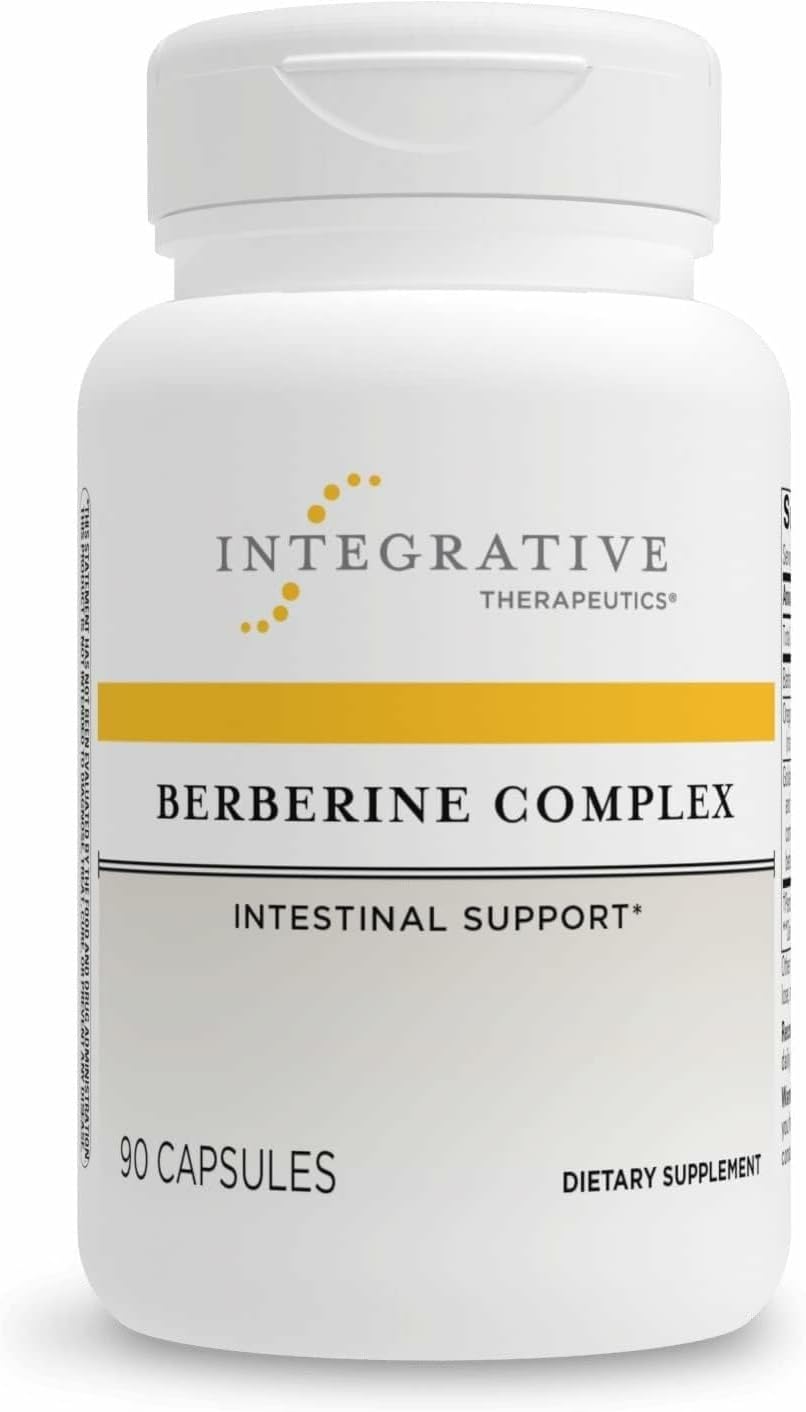
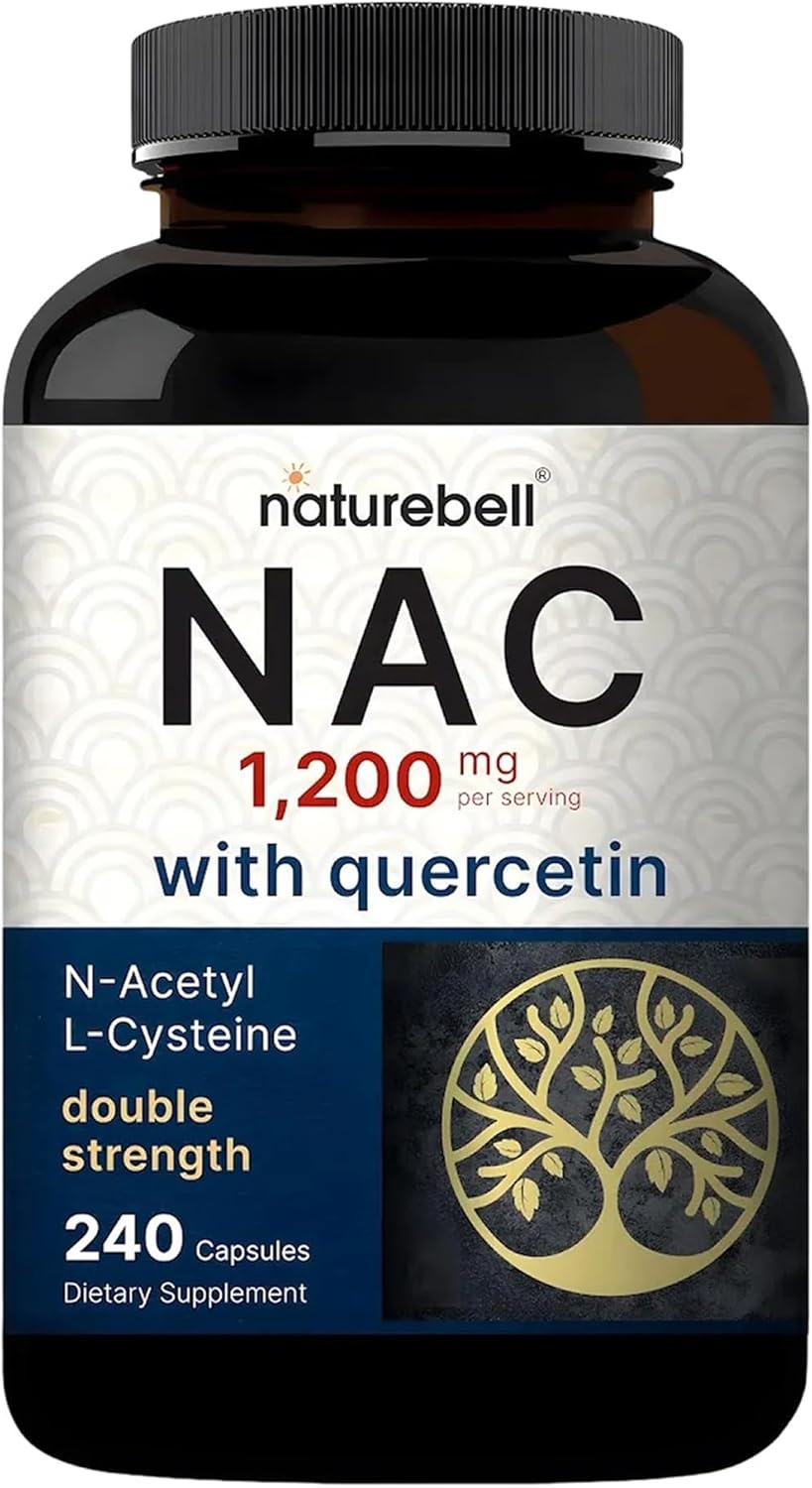
This aisle holds 43 botanical and mushroom formulas — mushroom capsules, ashwagandha, turmeric, berberine, elderberry and ginkgo — in capsules, gummies, tablets and drops. Below is what is actually on the shelf and how the options differ, so you can pick by format and count rather than by label art.
Mushroom Supplements: One Species or a Blend
The mushroom formulas here split into two approaches, and the right one depends on whether you want a single species or a broad mix in one bottle.
A ten-mushroom blend in one serving.Organic Mushroom Complex 10-in-1 lists all ten mushrooms on its panel — lion's mane, chaga, reishi, turkey tail and cordyceps among them — at 1,500 mg combined per two-capsule serving. The bottle holds 240 capsules, which is 120 servings, and at $33.75 that works out to about 28 cents a serving: the lowest per-serving cost of any mushroom option in this collection.
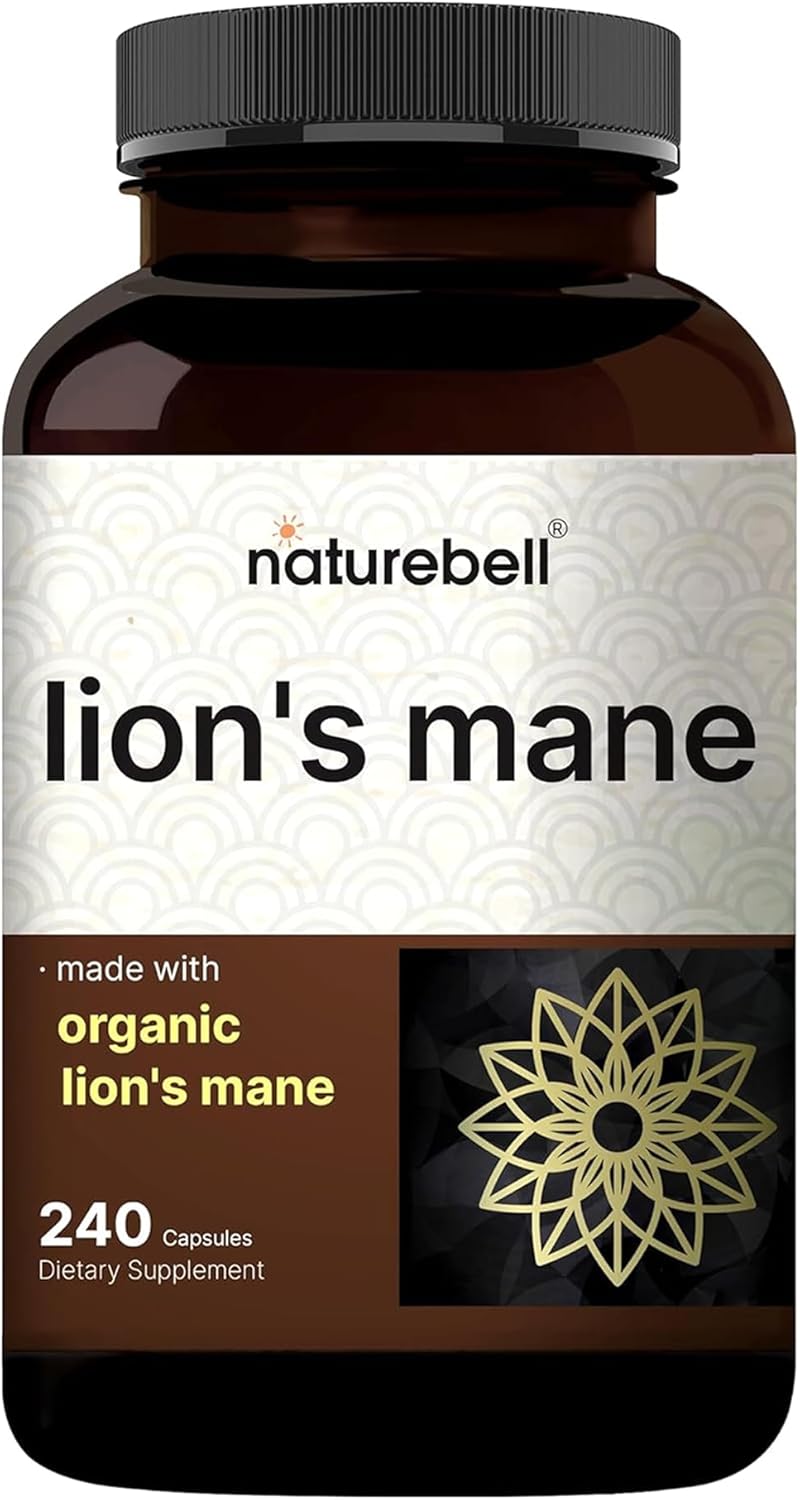
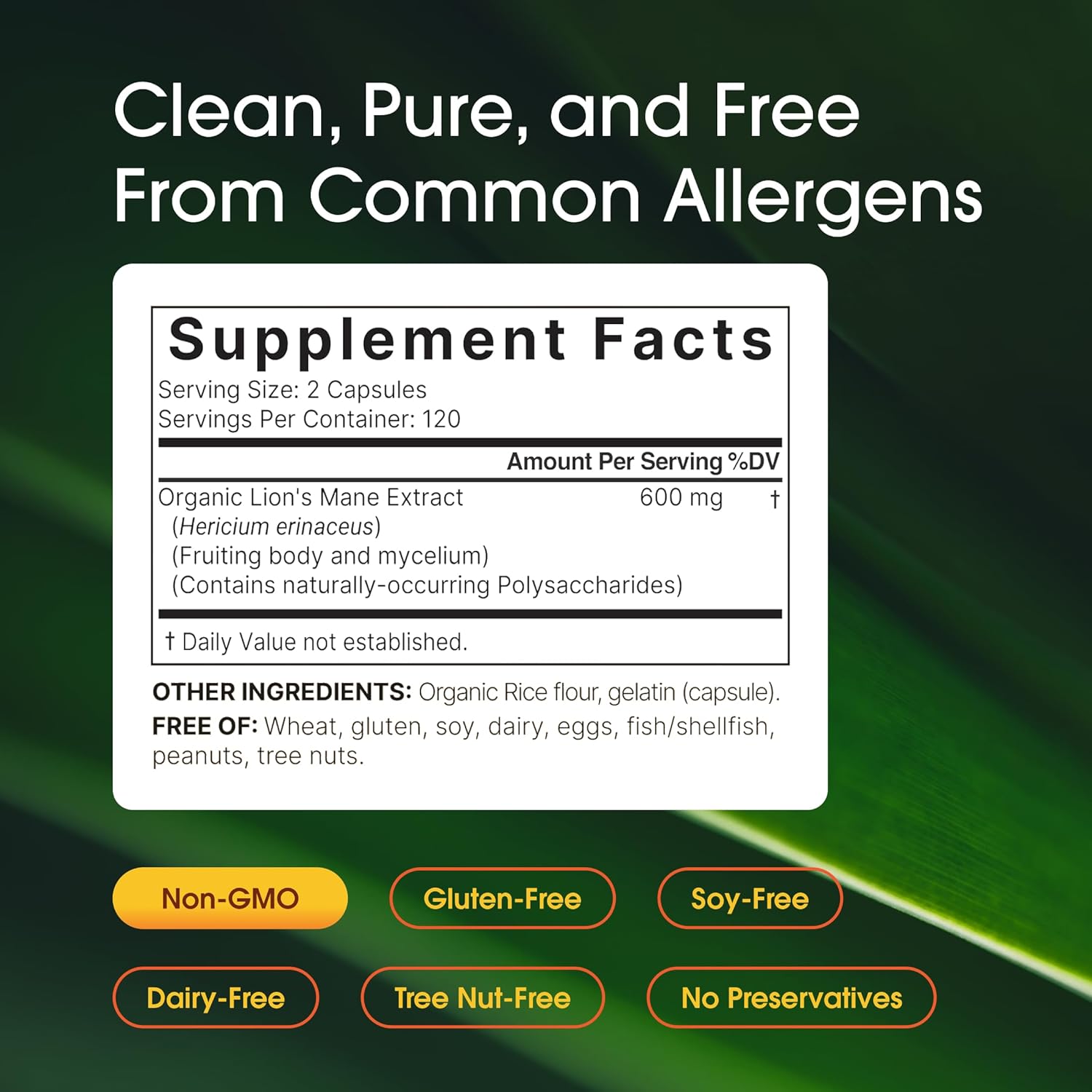
Lion's mane on its own, in two sizes.Divine Bounty Lion's Mane 1800 mg comes in a 90-capsule bottle at $46.20, while NatureBell Lion's Mane is the larger 240-count bottle at $56.30. Single-species bottles let you control one variable instead of ten.
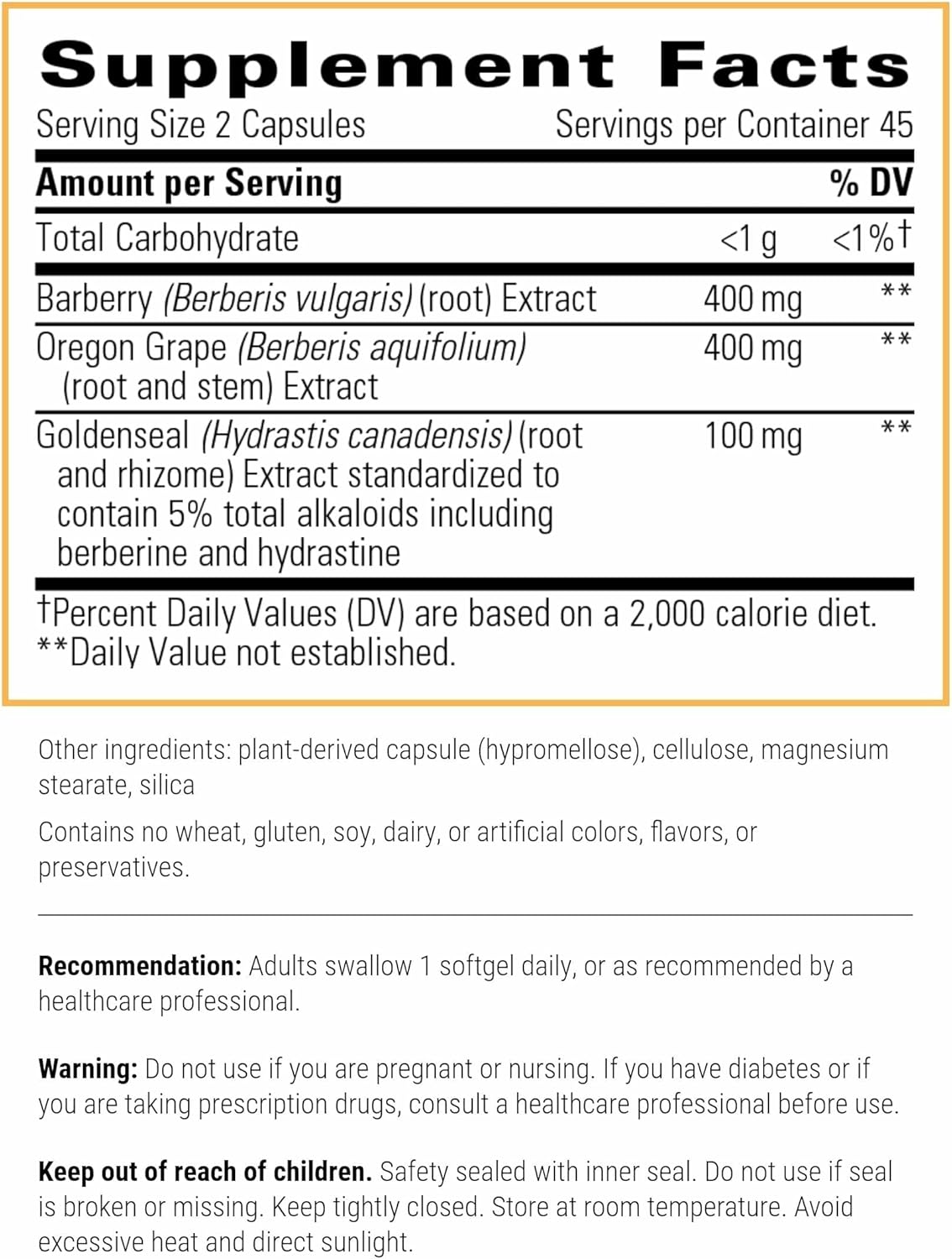
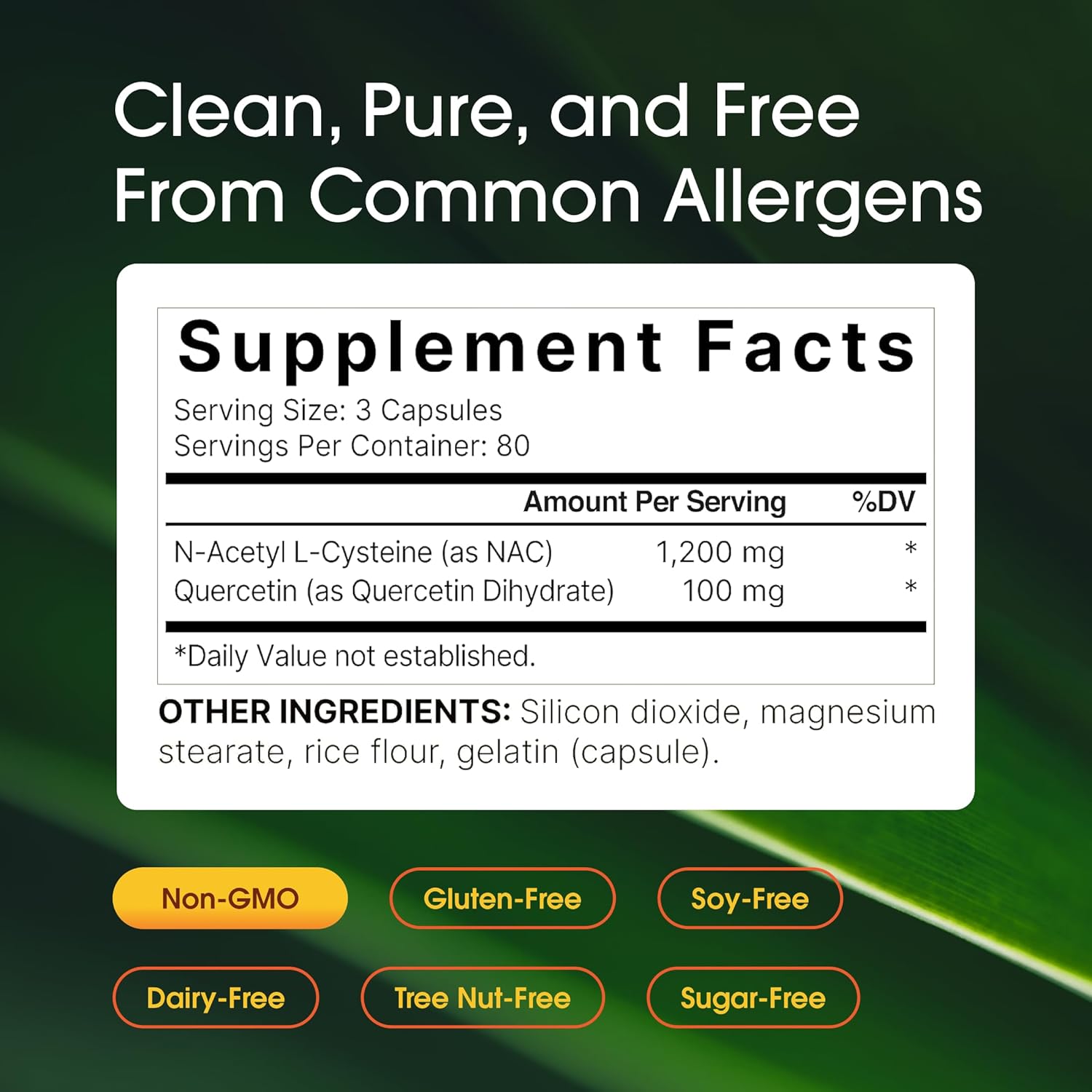
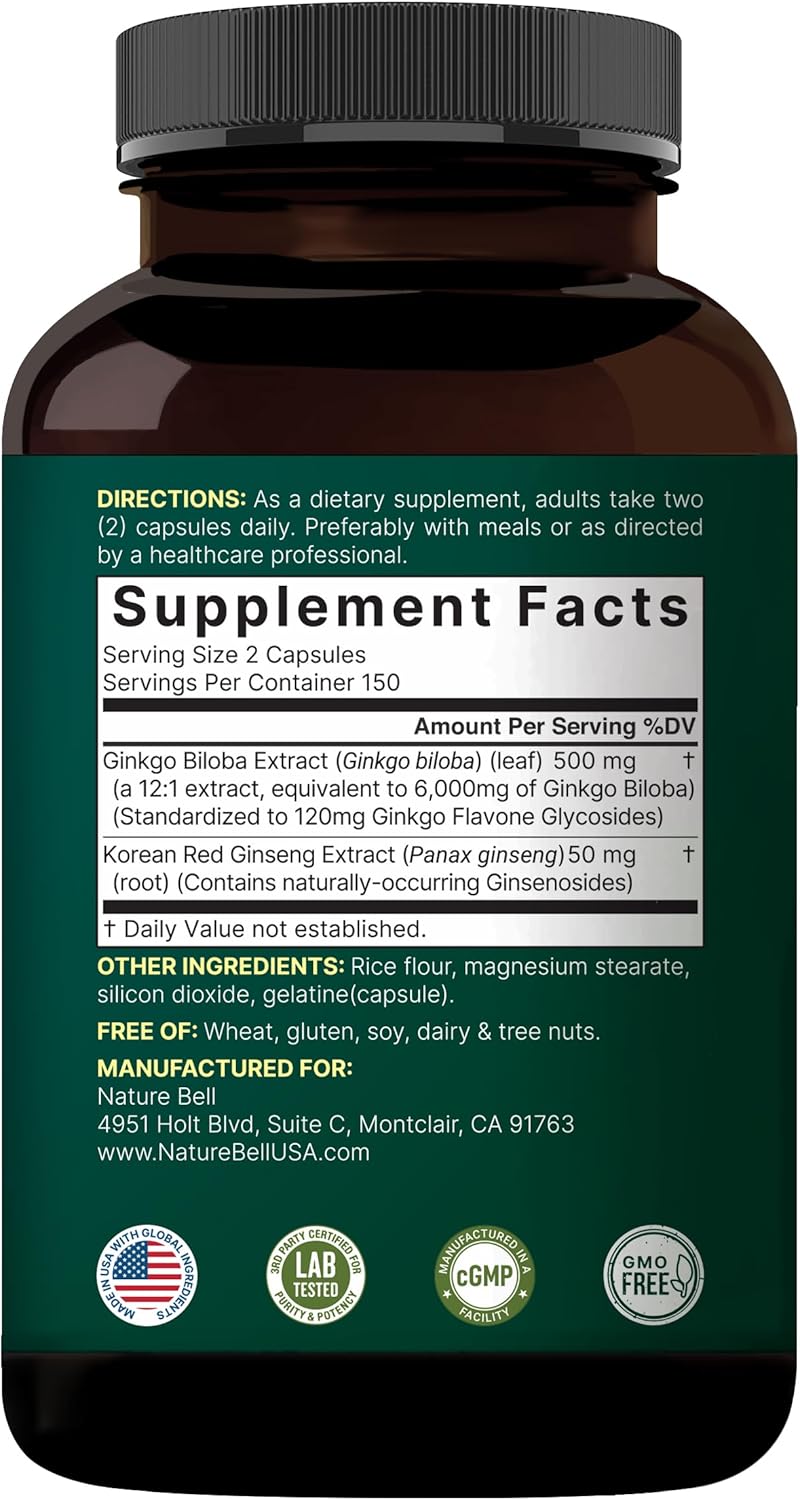
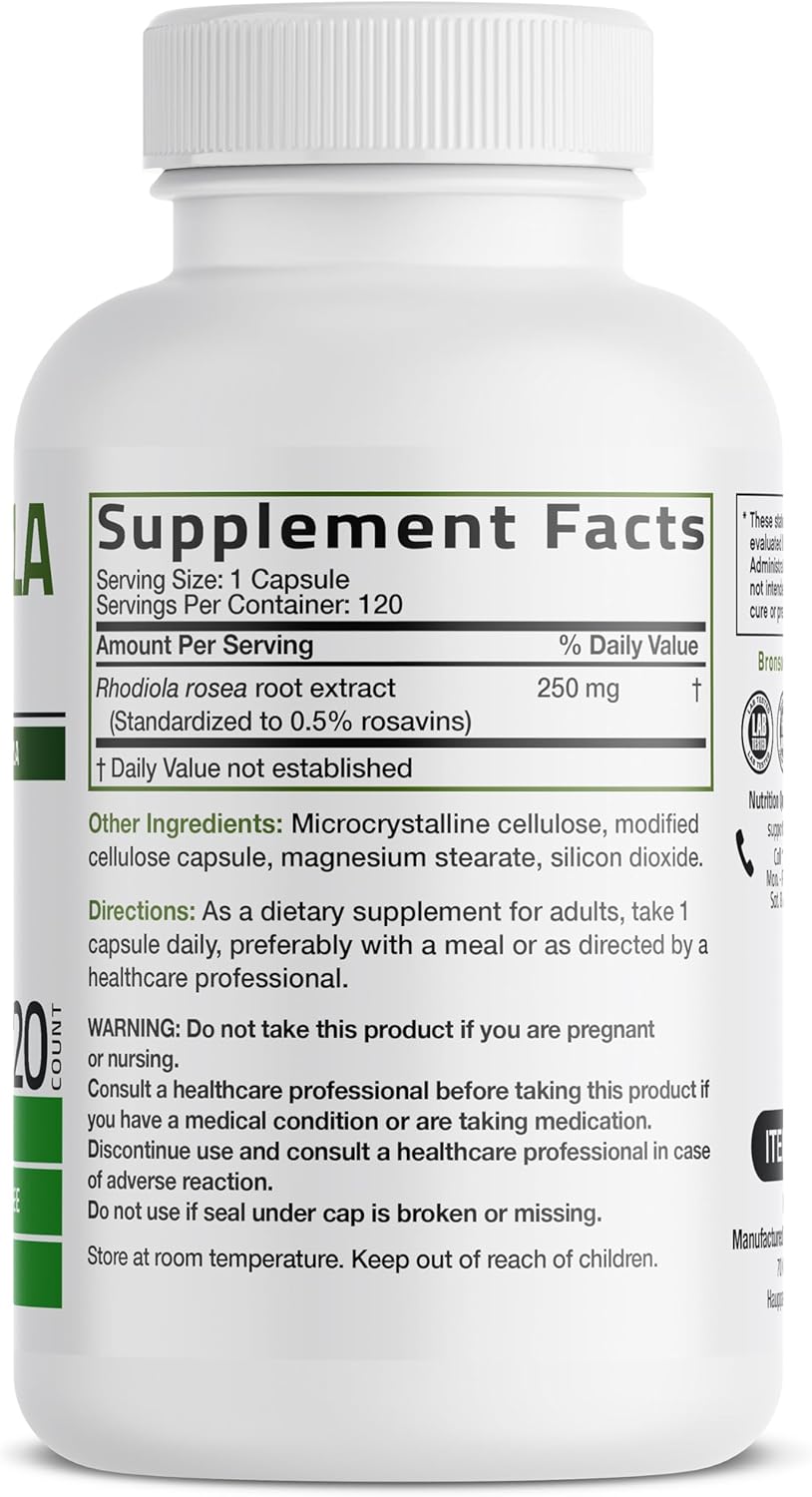
Amounts printed on a mushroom label can describe different things — the powder in the capsule, or a larger “herbal equivalent” figure calculated from raw material. The Supplement Facts panel on the bottle is the number that counts; each product page here quotes that panel directly.
The Botanical Side of the Aisle
Most of this collection is herbs rather than fungi, and three families make up the bulk of it:
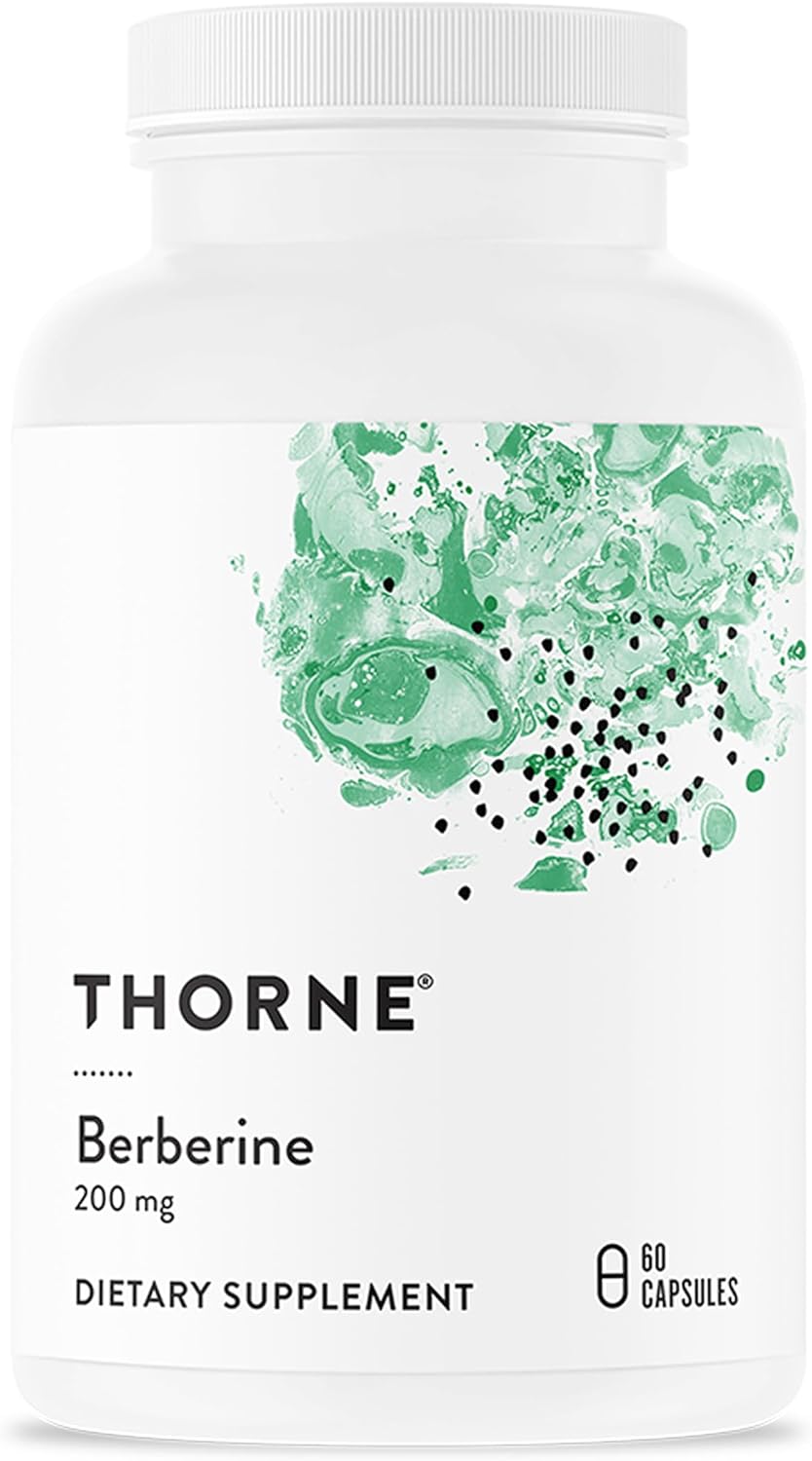
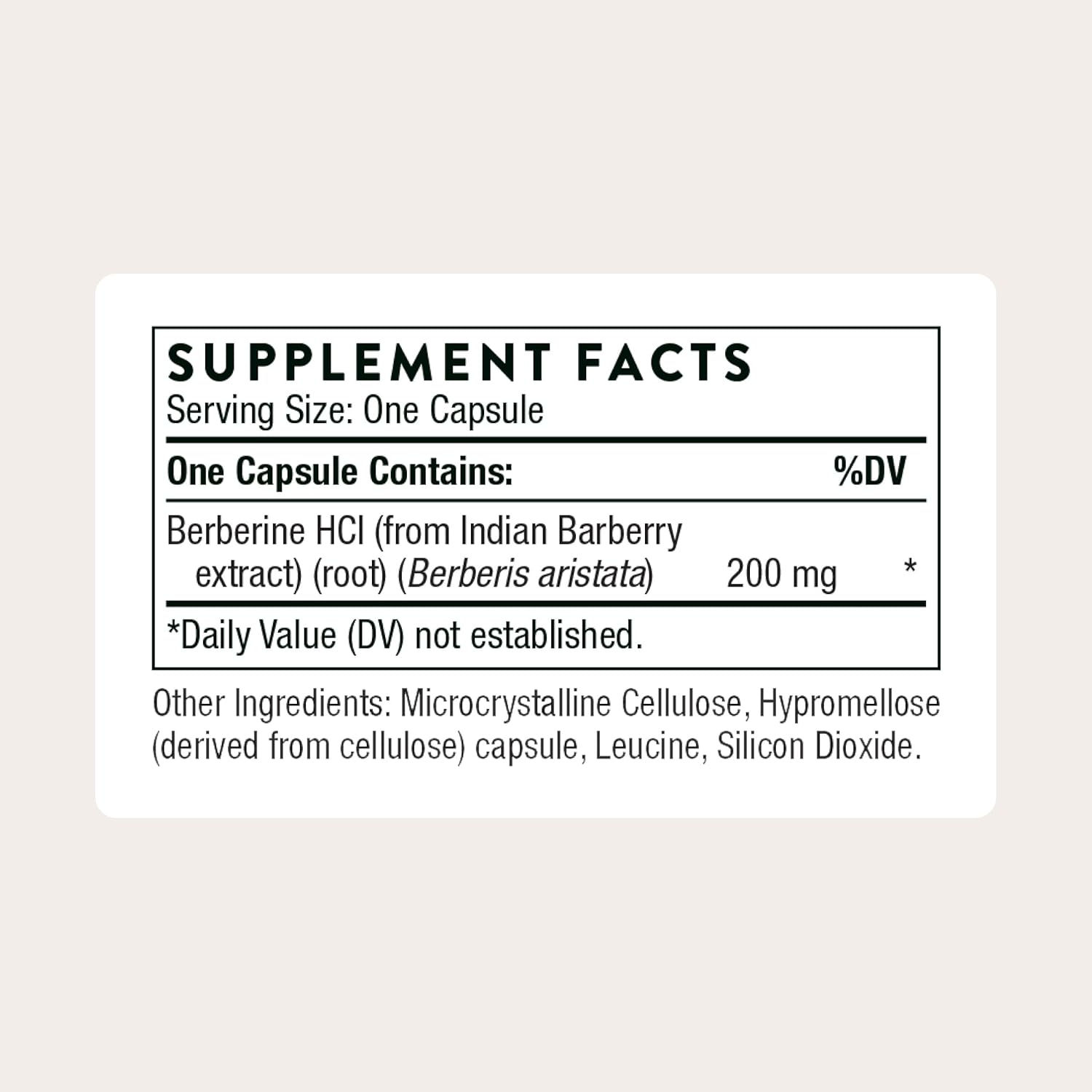
Berberine — six formulas, from single-ingredient capsules to blends such as Sangluco Berberine Cinnamon Complex, which pairs berberine with Ceylon cinnamon. Doses and capsule counts differ widely between brands, so compare the panel, not the front label.
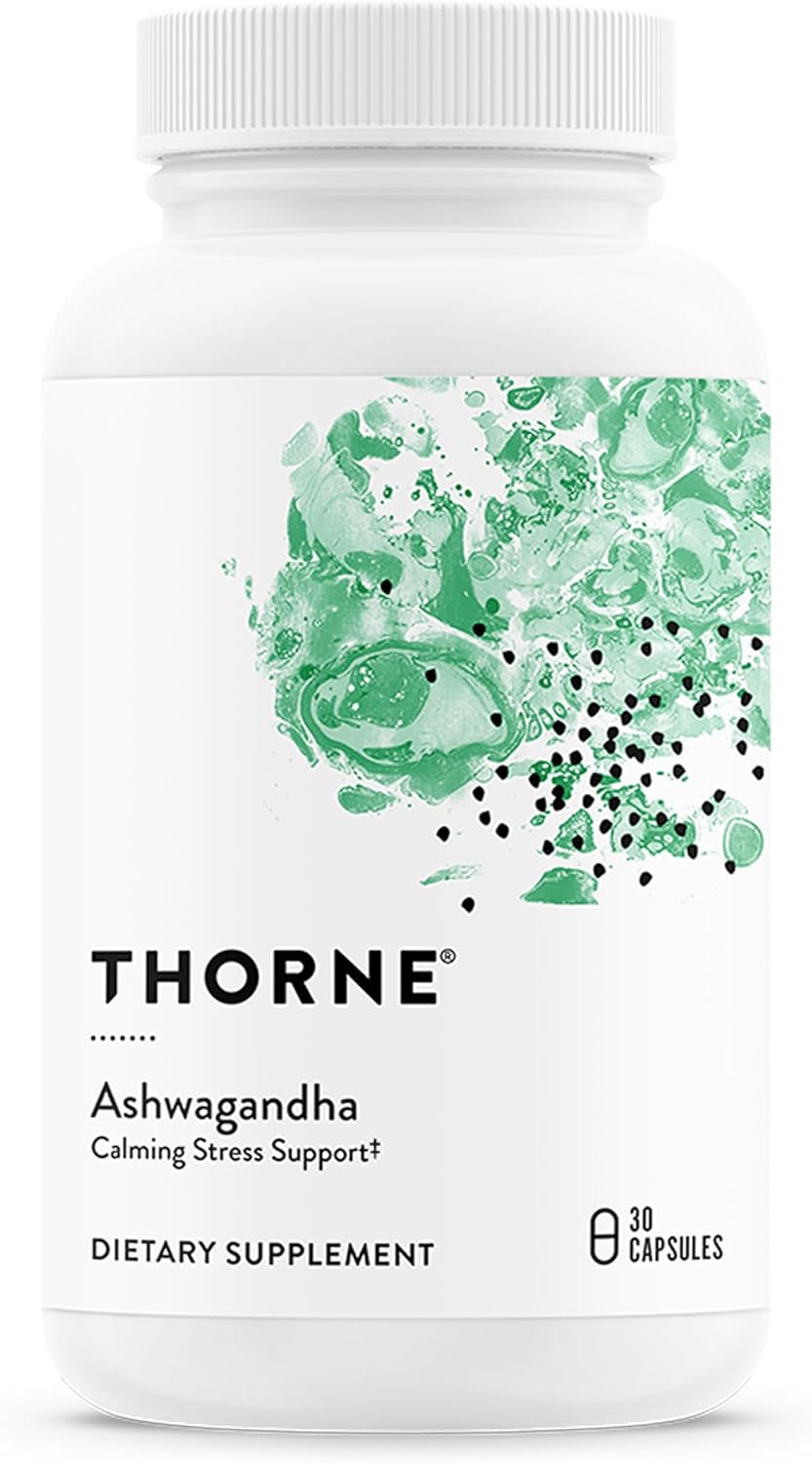
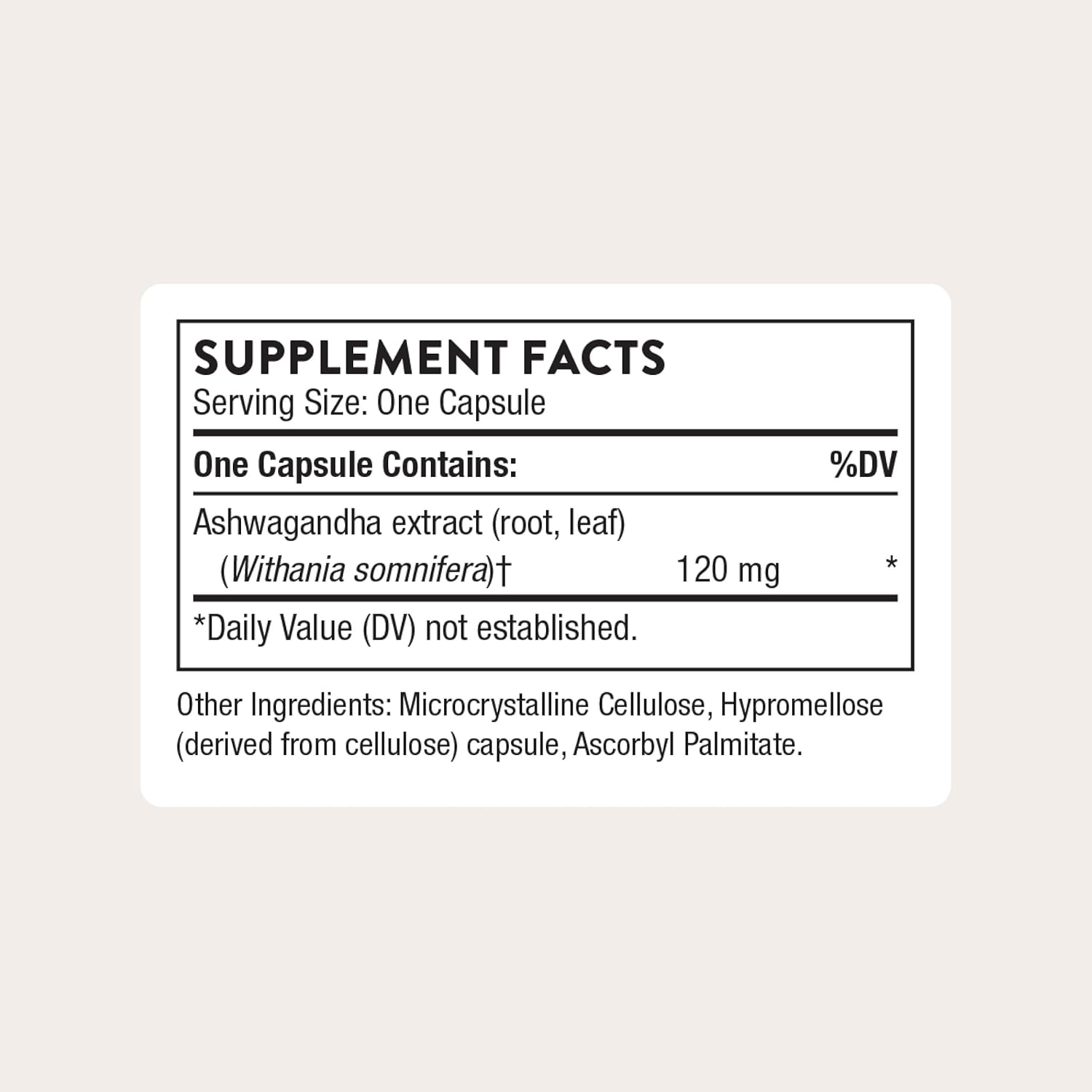
Ashwagandha — capsules and gummies across four brands, such as Horbäach Ashwagandha with Black Pepper; some list the branded KSM-66 extract on the panel, others do not.
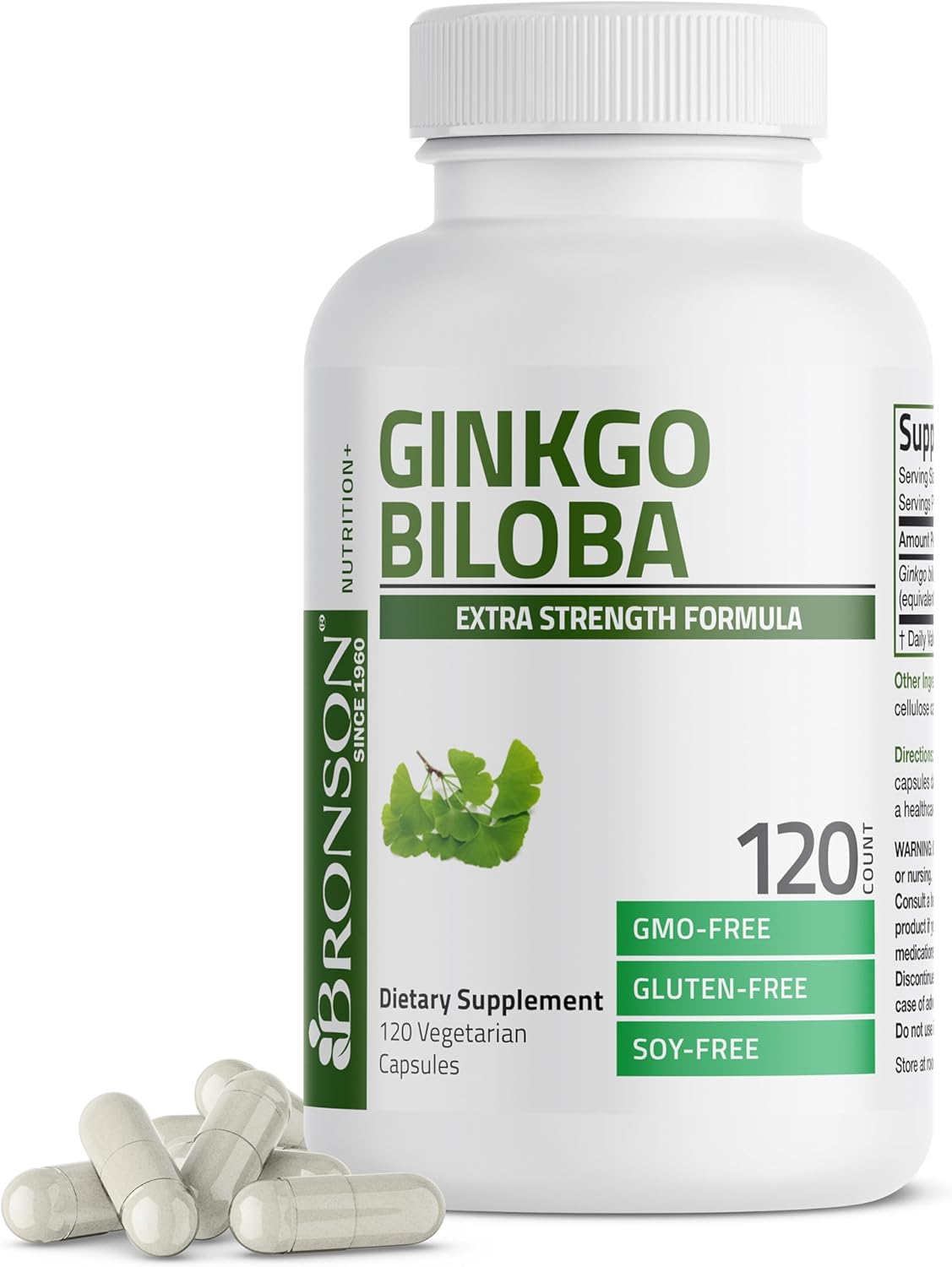
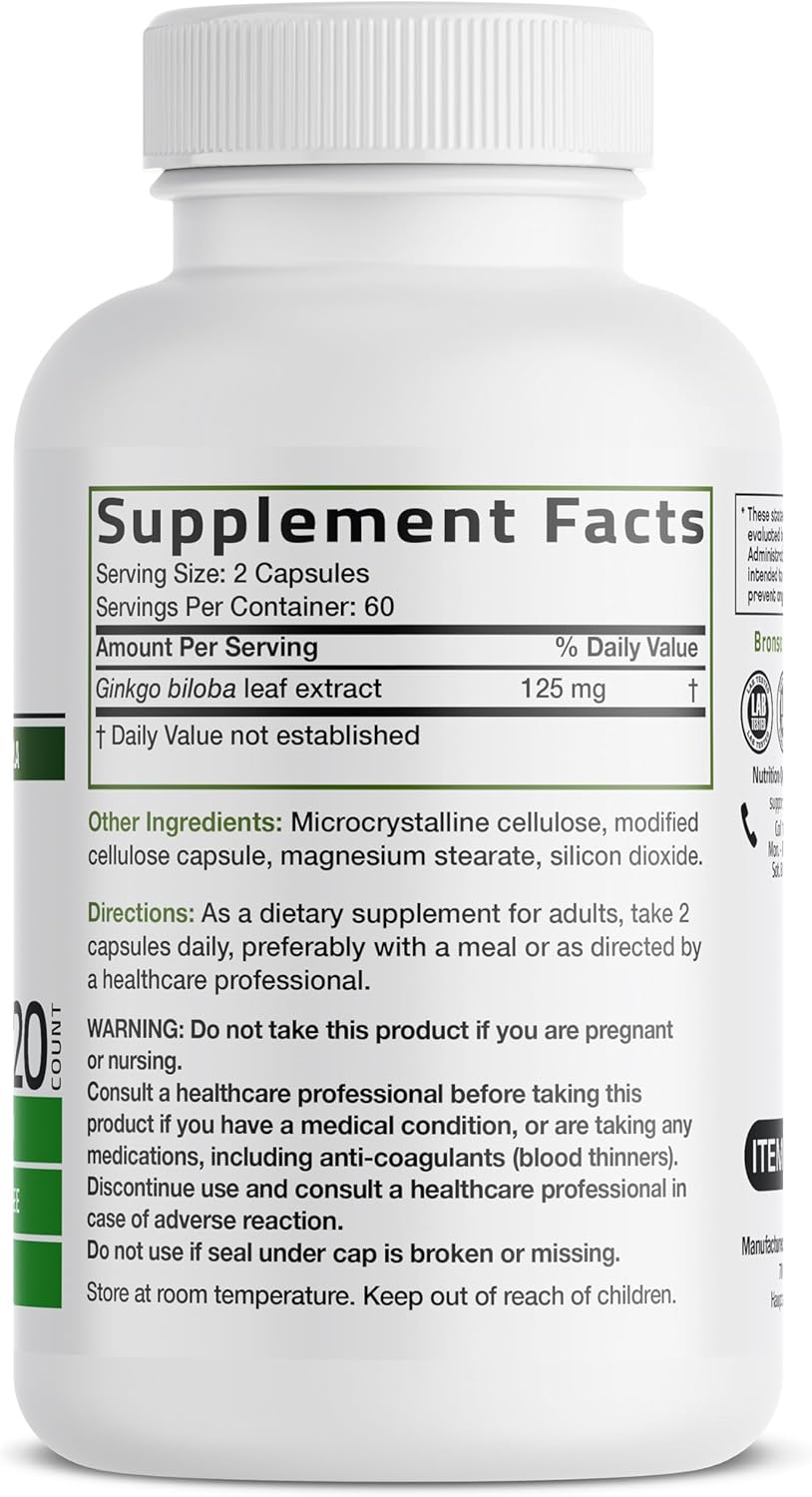
Elderberry, milk thistle, ginkgo biloba, echinacea, mullein, quercetin and NAC formulas round out the aisle, in both adult and children's formats.
Choosing Between Formats
Capsules and tablets hold the highest amounts per serving and dominate this collection. Gummies trade some of that room for taste and are usually the smaller-dose option. Liquid drops exist here mainly for children's elderberry. Bottle counts range from 30 to 360 units, so a low sticker price does not always mean a low cost per serving — each product page shows the per-serving math.
These statements have not been evaluated by the Food and Drug Administration. These products are not intended to diagnose, treat, cure, or prevent any disease.